
AERATION SERVICE
The Lawn Care SECRET WEAPON!
New Customer Special
1st Season
20% OFF
Aeration is an essential part of maintaining a healthy and beautiful lawn in Michigan. Over time, soil can become compacted, preventing vital nutrients, water, and air from reaching the grass roots. This can result in a dull, patchy lawn. We offer both liquid or mechanical aeration, with the option of overseeding.
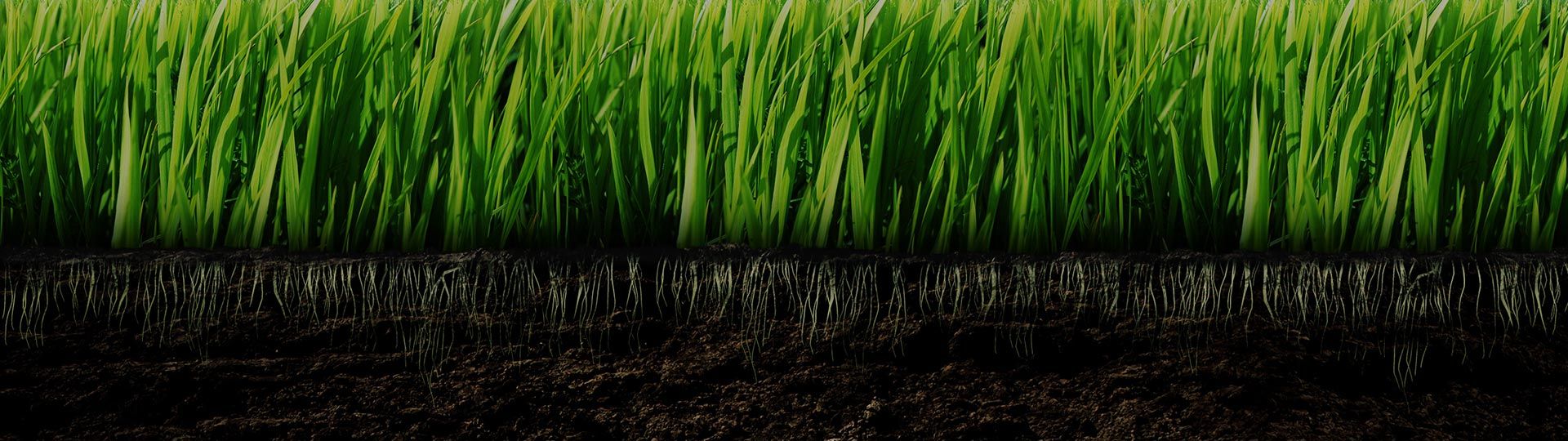
The ultimate factor in turf health is a deep, healthy root system. The deeper your roots can grow, the healthier and greener your lawn will be. Aeration loosens the soil structure, making it easier for the grass roots to grow deeper into the soil, and making all of your other lawn care practices even more effective!


Aeration for Stronger Roots
A healthy lawn starts with strong roots. Over time, soil becomes compacted, making it hard for water, air, and nutrients to reach the roots. When this happens, grass struggles to grow, leading to thin, weak patches. Loosening the soil helps solve this problem and encourages better root growth.
Why Soil Health Matters
Compacted soil makes it hard for your lawn to absorb what it needs to thrive. Without enough oxygen and nutrients, grass can turn brown and become patchy. It may also struggle to recover from stress, like heat or foot traffic. Breaking up compacted soil allows your grass to grow deeper, stronger roots.
When to Aerate
Custom Lawn Care recommends treatment once per year during the Fall. Fall is an ideal time to aerate because 85% of grass root growth takes place during this time. Also, cool warm temperatures combined with warm soil temperatures are the perfect combination to allow the lawn to recover easily from the aeration process.
Ways to Improve Soil Structure
There are two main ways to loosen compacted soil: liquid treatment and mechanical methods. Both improve soil structure but work in different ways.
How Liquid Aeration Works
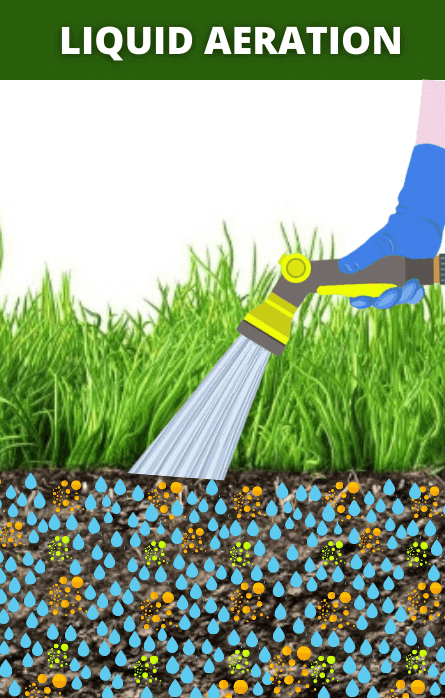
Liquid aeration is a game-changer in lawn care. Unlike the traditional mechanical service, which leaves behind messy soil plugs and risks damaging things like electric dog fences or irrigation heads, liquid treatment is clean, safe, and just as effective. It uses a special blend of products to loosen your soil, improving air flow, water absorption, and fertilizer effectiveness—all without the hassle or potential damage.
And here’s the best part: it works wonders on lawns that are tough to access, like those with steep hills or fenced-in areas where machines can’t go. Now, you can aerate your yard safely and easily, all while saving money. With Custom’s liquid aeration service, you’ll get the results you want without the headaches!
Benefits of Liquid Treatment
- No messy soil plugs left behind.
- Safe for underground systems like irrigation or pet fences.
- Can reach areas that machines cannot, such as steep slopes or fenced-in yards.
- Works over time to improve soil structure and nutrient absorption.
- Liquid treatment is a great option for homeowners looking for an easy, low-maintenance way to improve their lawn’s health.
Optional Overseeding for a Thicker Lawn
Loosening soil and overseeding work well together. Spreading new grass seed after treatment helps fill in thin spots, improves grass density, and introduces disease-resistant varieties. The holes created by treatment give new seeds direct access to the soil, increasing the chances of successful germination.
Overseeding After Care Best Practices
What Happens After You Seed (and What You Need to Do)
Watering isn’t optional—it’s mission-critical. To get good germination, your soil and seed need to stay moist for at least two weeks. If the soil dries out, the seeds stop growing. And those fresh, fragile sprouts? They’ll bite the dust if they don’t get enough water.
You’ll likely need to water daily, unless Mother Nature gives you steady rainfall. Be gentle—a light mist or fine spray is better than a heavy jet that can wash seeds or erode soil.
Give It a Break
Walk on it? Nope—with caution. For 3 to 4 weeks, minimize traffic across the lawn. Young grass blades are tender and can be damaged easily.
As for mowing: hold off until the grass reaches 4 to 4½ inches in height. If you can, wait 10 to 14 days after germination. When you finally mow, set your mower as high as possible. Only remove a third (or less) of the blade. Don’t let clippings linger—if they’re still visible 24 hours later, rake them up. They can suffocate your seedlings.
Keep It Clear
Debris, leaves, thatch—all of it can block sunlight and suffocate new growth. Use a blower or a gentle rake to keep them off. Just be sure you’re not tearing up the seedlings below.
Around three weeks in, you’ll begin to see new shoots filling in bare spots. Each of those tiny plants becomes a full blade over time, branching out, thickening up your lawn. That’s when the magic happens.
Weed Control: Pause, Then Proceed
Yes, weeds are a given—but hold off on treating them too early. Weed control chemicals can injure young grass. Wait until you’ve mowed 2 to 3 times. By then, the turf has gained enough strength to handle weed control.
Our ongoing fertilization program plays a big role here. We keep feeding those new plants with nutrients so they can root deeper, grow greener, and outcompete weeds naturally as they mature.
How Mechanical Core Aeration Works
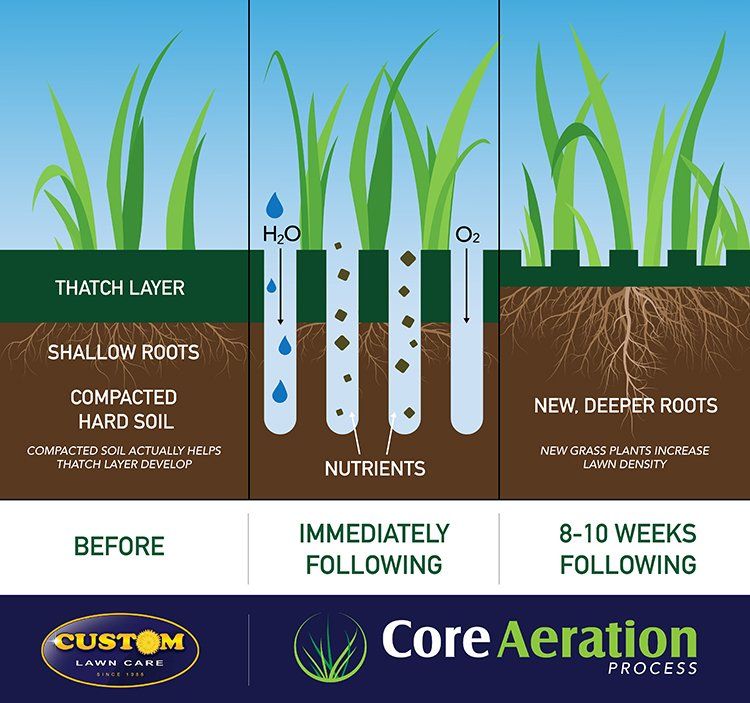
Core Aeration is the mechanical process of removing plugs of soil throughout the lawn, making it easier for oxygen, water, and fertilizer to absorb into the soil and directly benefit the root system. Eight to ten weeks following treatment, you can expect a new and deeper root system to develop, creating a lawn that is more resistant to drought, insect damage, and lawn disease.
Benefits of Mechanical Methods
- Reduces soil compaction.
- Improves nutrient absorption.
- Strengthens root systems for a more resilient lawn.
- Encourages thicker, healthier grass growth.
- After mechanical treatment, the soil plugs will break down naturally in a few weeks. This will add organic matter back into the lawn.
Schedule Your Service
Regular soil treatments keep your lawn healthy and green. Whether you choose liquid or mechanical methods, the benefits are clear. Contact us today to schedule your service and give your lawn the care it needs!
The Benefits of Lawn Aeration

Decreases Thatch Layer
Thatch is the layer of dead and living grass shoots, stems and roots that collects between the soil and grass blades. Every lawn has a thatch layer, but when it builds up thicker than ½ inch, it can lead to stunted root growth and increased insect damage and lawn disease. Aeration helps to thin out thatch layers to a healthy thickness that benefits your lawn.

Custom Personalized Lawn Care Terms of Service
AUTO-RENEWAL
All services auto-renew each season to ensure the effectiveness of our seasonal turf treatments, and to maintain the integrity of a timely treatment schedule. Services can be altered or cancelled at any time, but you will be responsible for payment of any services performed prior to notifying us.
SAVINGS OFFERS
All special offers and discounts applied to an account are valid for the current season only and will not carry over into the next year of services. If services are canceled before all treatments have been completed, any applied savings offers will be removed and added to your ending balance.
LATE CHARGES
A late charge of $4.90 will be applied to any account with a balance that is 30 days past due. Any balances due after 90 days risk being forwarded to a national collection agency or small claims court for further action. View full terms of service for more details.